
Design Thinking Meets Recent Search: How to Find Real Customers
Most business owners and creators are stuck in a loop of "educated guessing." You fill out marketing templates and customer personas based on what you think people want. When you look for real data on Instagram, the algorithm blocks you. It only shows you "Top Posts" from accounts that are already famous.
If you only look at what is popular, you will only ever copy what already exists. To innovate, you need to see the "messy middle". You need to see the normal people, the beginners, and the niche hobbyists.
By combining Pico-Cards with RecentReborn, you can move from theory to reality. Here is how to do it.
The Problem with "For You" for Research
Design Thinking starts with empathy. But you can't have empathy for a subject you can't see.
If you search #wearables on the official Instagram app, you mostly see polished, market-ready products and big tech brands. These users don't have problems; they have brand deals and professional photography. To innovate, you need to see the "messy" side of tech: The person posting a blurry photo of a broken strap five minutes ago, or the user complaining about a battery that just died mid-workout.
These are the real-world frustrations that spark new ideas, but they are currently invisible because Instagram removed the "Recent" tab. When you lose chronological recent search, you lose the ability to see real-time human behavior and hardware failures. You are left with a homogenized marketplace of ads instead of a social network full of real feedback.
Step 1: Map the Search with Pico-Cards
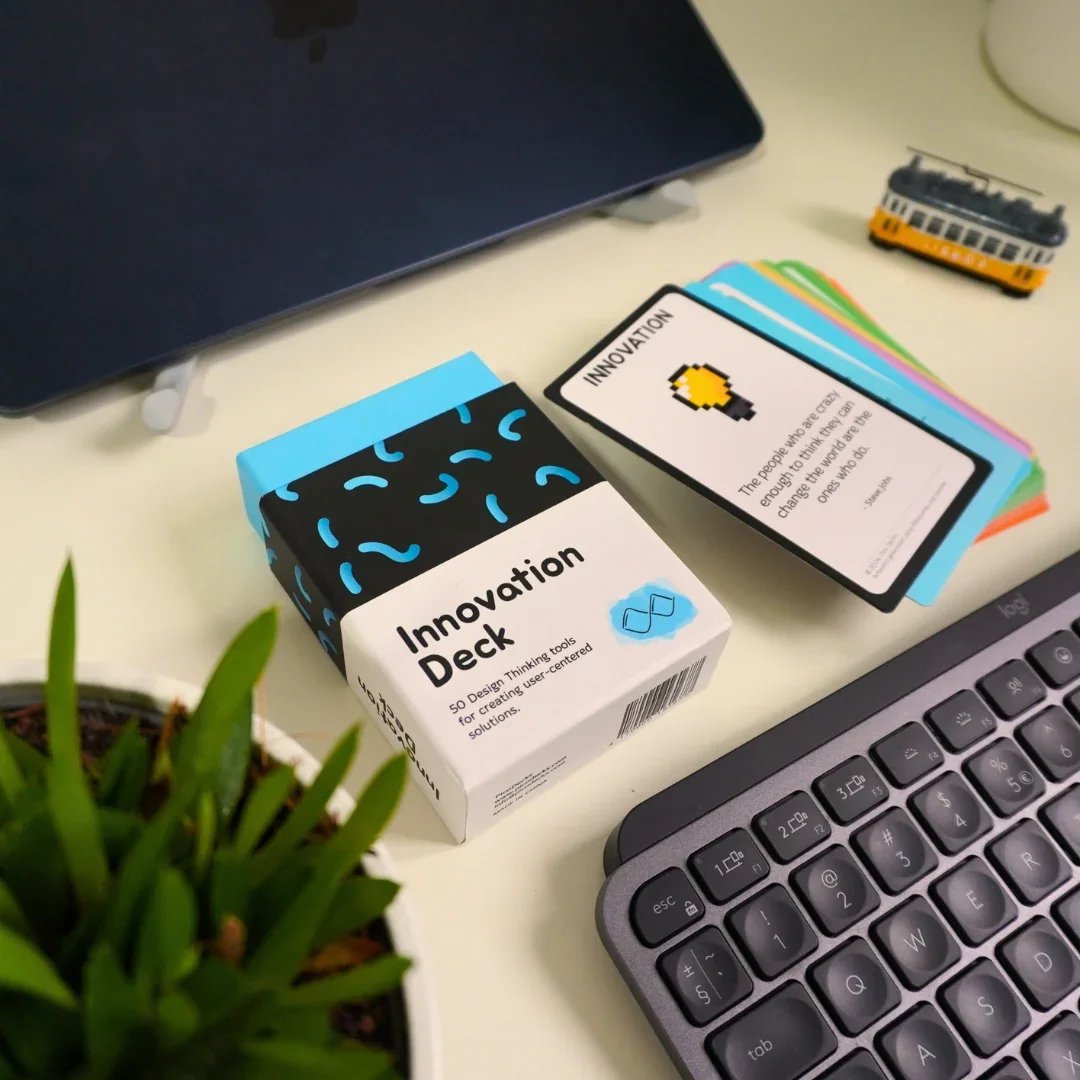
Before you search, you need a plan. Use the Pico-Cards Innovation Deck to give your research structure.
Take a card like "The Empathy Map." It asks you to define what your user is Saying, Thinking, Doing, and Feeling. Instead of guessing, use this as your search intent.
-
Target: Don't just look for "wearables"
-
Focus: Look for the specific frustrations or questions a beginner might post right now.
Step 2: Access the Data (RecentReborn)
Now, plug your hashtags into RecentReborn.
If you are researching #wearables, our tool doesn't care about likes or blue checkmarks. It doesn't care if a post is a high-budget ad from a tech giant. It only cares about time. It shows you the most recent posts, reels, and TikToks in the exact order they were shared.
This is where you find the "Real People and Real Stories" the algorithm hides. You can see the actual language a runner uses when their smartwatch fails, or the specific comfort problems a developer faces with a new VR headset today. This is raw, uncurated market data that gives you a window into how wearable technology actually fits into people's daily lives—not just how it looks in a press release.
To understand how this works, take a look at the widget below:
Step 3: Validate Your Ideas with Real Conversations
One of the biggest mistakes in marketing is building a product for months without talking to a single human. Once you have used your Innovation Cards to define a persona and RecentReborn to find them, you need to validate your assumptions.
Instead of looking at a "For You" feed with uploads from weeks ago that already have 5.000 likes, look for the person who posted ten minutes ago.
-
Look at the most recent 50 posts under #wearables or #SmartWatch. What are "normal" users complaining about that the big tech influencers are ignoring? Maybe it's a specific skin irritation from a strap or a glitch in a sleep-tracking app. These unpolished posts reveal the real gaps in the market.
-
Use these recent posts to start real conversations. If you offer a tip to a user struggling with their new fitness tracker or answer a technical question right after they post it, you aren't just another brand account, you are a helpful peer. This builds the authentic trust you need for honest feedback.
-
Take what you learn from these live interactions and go back to your Design Thinking cards. Update your "Problem Statement" or "User Needs" based on the actual frustrations people are sharing today, rather than the "perfect" use cases the algorithm showed you yesterday.
This loop turns social media into a live laboratory for your business.
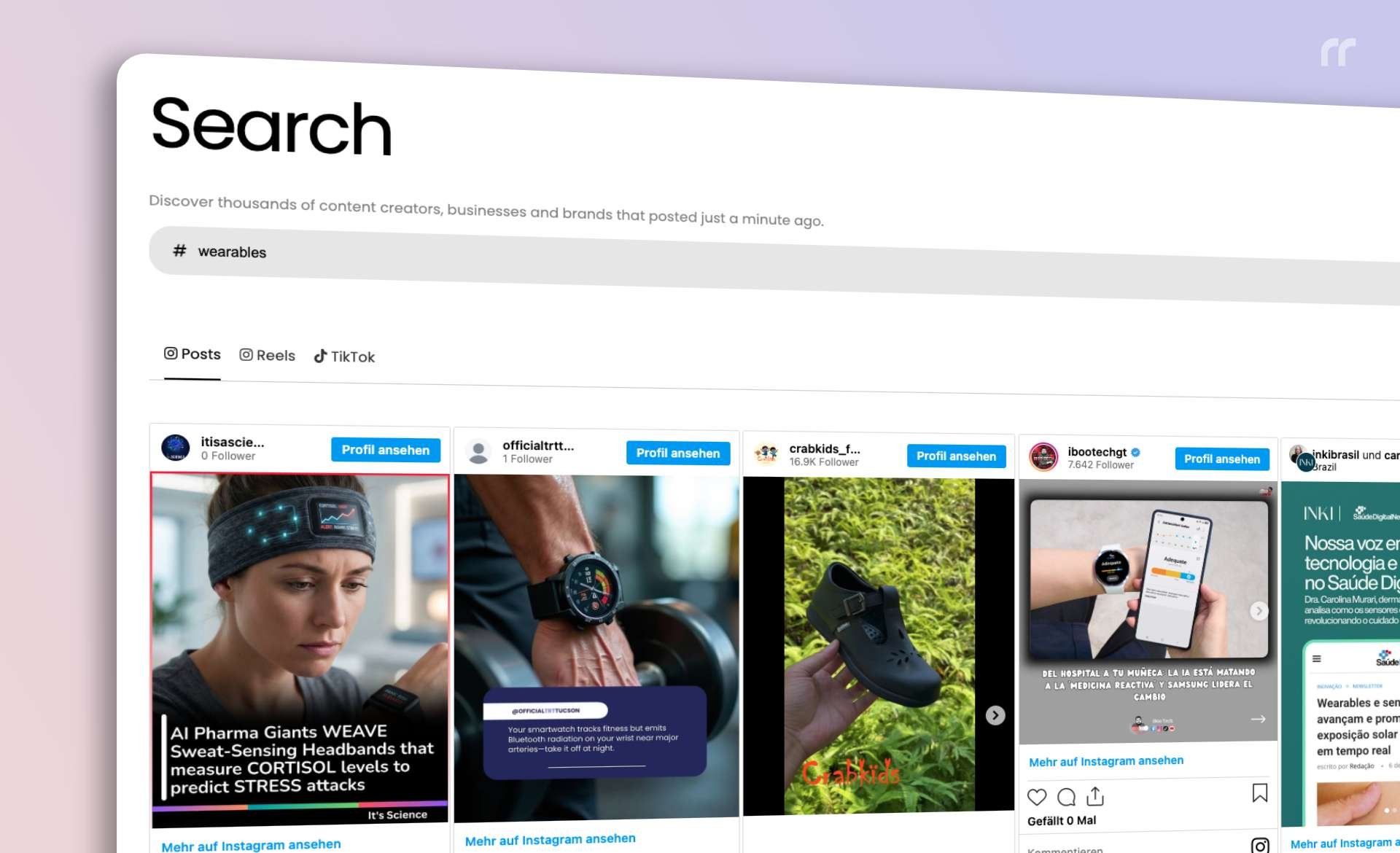 Screenshot of RecentReborn searching #wearables to find the most recent posts on Instagram
Real Discovery Over Viral Algorithms
Instagram has become a marketplace that prioritizes commercial interests over user satisfaction. It feels stagnant because it only rewards what is already big.
RecentReborn is the tool that lets you find the "struggling artists" and "up-and-coming creators" again. Whether you are using it for business growth or personal inspiration, combining it with a framework like Pico-Cards ensures you aren't just browsing, no, you are discovering.

About the Author
Felix Melchner
I built RecentReborn because Instagram’s decision to hide recent posts made it impossible to find real people and small creators who are not already famous. My vision for 2026 is to restore the original soul of social media by giving everyone a fair chance to be discovered and supported through chronological search.
recentreborn.com